
STEP 2 OF 4
About James and the approach
Read about James and the approach below. At the bottom, choose individual or couples counselling to open your reading page.
About James
I’m James Miklos, MCC, RP, founder of New Hope Counselling Centre. I provide online counselling and psychotherapy for individuals and couples throughout Ontario. My counselling work began in 1994, and I founded New Hope Counselling Centre in 2004. My work includes individual counselling, marriage and couples counselling, and trauma-focused psychotherapy. I am an EMDRIA Certified Therapist, and my training also includes Deep Brain Reorienting (DBR) and Sensorimotor Psychotherapy.
I am also an ordained Christian minister. My Christian faith is an important part of my background and personal life. In counselling, I respect your beliefs and preferences; whether faith or spirituality becomes part of our conversations is something we discuss together.
Read more
Registered Psychotherapist
Thoughtful online counselling and psychotherapy for individuals and couples throughout Ontario.
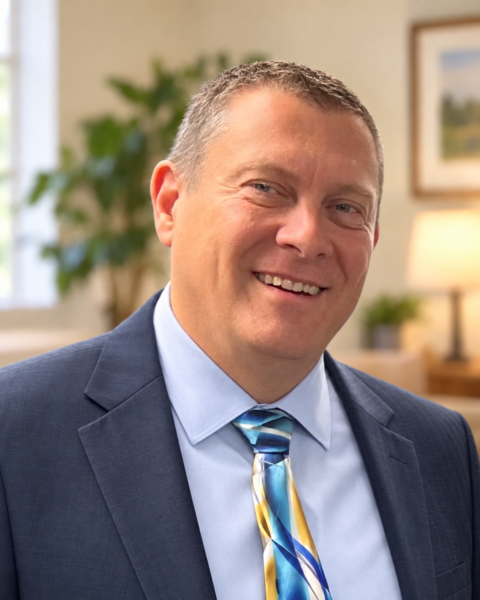
About James Miklos
I’m James Miklos, founder of New Hope Counselling Centre. I provide online counselling and psychotherapy for individuals and couples throughout Ontario.
My counselling work began in 1994 with pastoral counselling and has developed over the years to include counselling and psychotherapy in clinical practice. Since founding New Hope Counselling Centre in 2004, I have supported people navigating relationship difficulties, emotional distress, trauma, and significant life changes.
My approach
I aim to offer a thoughtful, respectful setting where you can speak openly, understand what you are experiencing, and work toward meaningful change. Together, we consider both your immediate concerns and the underlying experiences and patterns that may contribute to them.
My work includes individual counselling, marriage and couples counselling, and trauma-focused psychotherapy. I am an EMDRIA Certified Therapist, and my training also includes Deep Brain Reorienting (DBR) and Sensorimotor Psychotherapy. The approach we take depends on your needs, goals, and readiness.
Working together
Our conversations can begin with what matters most to you. We can consider which approach fits your needs and goals.
Education and professional affiliations
I hold a Master of Christian Counselling (MCC) from Canada Christian College and am registered with the College of Registered Psychotherapists of Ontario.
My professional memberships include:
- Canadian Association for Spiritual Care (CASC)
- DeepBrainReorienting Ltd (DBR)
- EMDR Canada
- EMDR International Association (EMDRIA)

EMDRIA Certified Therapist
A little more about me
I am also an ordained Christian minister. My Christian faith is an important part of my background and personal life. In counselling, I respect your beliefs and preferences; whether faith or spirituality becomes part of our conversations is something we discuss together.
Alongside my clinical work, I have taught and presented workshops for community groups, businesses, and counselling professionals.
My wife and I have been married since 1983, and we have four children.
EMDR
EMDR stands for Eye Movement Desensitization and Reprocessing. It is a type of therapy that helps people work through distressing memories, especially those connected with trauma. Before working directly with a difficult memory, we practise ways to settle strong feelings and stay connected to the present. You do not have to describe every detail of a painful experience. The pace and number of sessions vary.
Read more
EMDR therapy, one step at a time
A difficult experience can keep affecting you after it is over. A reminder may bring back upsetting thoughts, strong feelings or tension in your body.
EMDR stands for Eye Movement Desensitization and Reprocessing. It is a type of therapy that helps people work through distressing memories, especially those connected with trauma. The aim is to help those memories feel less upsetting and have less effect on everyday life.

What happens in EMDR?
EMDR has eight clinical phases. Here is a simple overview of what we do together.
Understand what is troubling you
Together, we talk about what brings you to counselling, what you would like to change and experiences that may be connected. We agree on a plan that fits your needs. You do not have to describe every detail of a painful experience.
Help you feel ready
Before working directly with a difficult memory, we practise ways to settle strong feelings and stay connected to the present. You can ask questions, raise concerns and tell me when you need a pause. We take time to check your readiness.
Work through a memory
When you are ready, we choose a memory and notice the thoughts, feelings and body sensations connected with it. I guide short sets of side-to-side eye movements, or alternating taps or sounds. This is called bilateral stimulation. Between sets, we pause and notice what comes up. We also work toward a more helpful view of yourself and check for lingering body tension.
Settle and review
Before finishing, we take time to help you settle and discuss what to expect between sessions. Next time, we review any changes and decide together what needs attention.
Your pace matters
Difficult feelings can arise during this work. The pace and number of sessions vary. Together, we can explore whether EMDR fits your needs.
DBR
DBR stands for Deep Brain Reorienting. It is a gentle, body-focused approach to working with trauma. Rather than starting with a long conversation about what happened, we pay attention to how your body reacts. You are not asked to explain everything or deliberately relive the whole memory. DBR is still a relatively new approach, and people respond differently, so improvement is not guaranteed.
Read more
How does Deep Brain Reorienting Therapy work?
DBR stands for Deep Brain Reorienting. It is a gentle, body-focused approach to working with trauma. Rather than starting with a long conversation about what happened, we pay attention to how your body reacts.
DBR focuses on very early reactions to shock. These involve the brainstem, which helps your body respond automatically, and a small area called the superior colliculus. You do not need to learn these names to take part in therapy.
When something frightening happens, your body can react before you have time to think. The aim is to slow down and notice that first reaction, rather than rush past it. This may help you work through the shock and the feelings connected to it.
We stay curious about small changes in your body, such as tension or a change in breathing. Feelings may appear as we go. You are not asked to explain everything or deliberately relive the whole memory.
Sometimes this work brings up the pain of feeling deeply alone or unsupported. We give those feelings space and support. DBR is less about talking through every detail and more about noticing what your body and feelings show us.
What does a DBR session look like?
Before beginning DBR, we take the preparation steps you need. When you are ready, we can focus on something upsetting that happened recently, or on a memory from the past.
We begin by helping you feel grounded: aware of where you are, here and now. The aim is to support you so the work feels manageable.
I stay with you throughout the session. There may be quiet moments so you can notice what is happening inside, and I check in with you along the way. You can tell me what you are noticing, so I can support you and follow how the work is going. There is no need to get every detail right or find the perfect words.
You might notice a small change in your breathing, tight muscles, a twitch, or a movement. We pay attention to these changes without trying to force an explanation. You can let me know how the experience feels as we go.
The time needed for this part of a session varies from person to person.
What to expect from DBR Therapy?
DBR aims to help people work through trauma and the pain of difficult relationships. Some people find this body-focused approach more manageable than other kinds of therapy.
Early research suggests it may help reduce symptoms of post-traumatic stress disorder (PTSD) and improve everyday life. PTSD can develop after a frightening experience. DBR is still a relatively new approach. People respond differently, so improvement is not guaranteed.
Your counselling path
Choose one to open your reading page.