Understanding an approach
Emotional Freedom Techniques
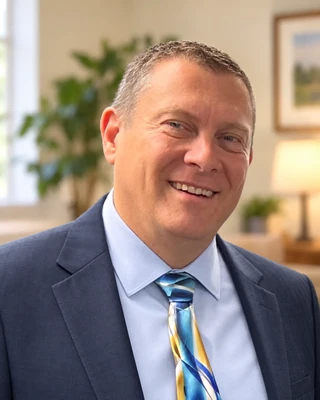
Background, introductory videos and a tapping demonstration with James Miklos.


Understanding EFT
Emotional Freedom Techniques (EFT) is a powerful self-help method that can empower and transform a person’s life. Clinical trials have shown that EFT can quickly and safely reduce emotions that contribute to distress and disease. Research has shown that emotional trauma is a major contributing factor to disease.
After using EFT, distress is reduced or removed, allowing the mind and body to begin rebalancing themselves. This can facilitate healing. EFT reduces the emotional impact of our memories and the triggers associated with them.
Peter Donn
Introduction to EFT
An introductory video included in the original article. English auto-generated captions are available and may contain errors.
Watch on YouTube (opens a new tab)Background
Gary Craig developed EFT by combining Traditional Chinese Medicine’s acupuncture points with psychology, but without the needles. The method is simple, yet its effects can be profound.
EFT grew out of Thought Field Therapy, created by Roger Callahan, a clinician in the United States. Callahan found that stimulating acupressure or energy points brought emotional relief to a distressed client. This led him to explore the therapeutic use of other acupressure points.
Craig studied under Callahan and simplified the method into a comprehensive set of points that could address any emotional problem. He called it Emotional Freedom Techniques. He obtained excellent results with a broad range of emotional and physical problems.
Mind-Body Channel
Introduction to EFT Emotional Freedom Techniques by James Miklos
A second introductory video. Its published title identifies it as an introduction. This video currently has no captions.
Watch on YouTube (opens a new tab)What is EFT good for?
- Resolving emotional issues, including anxiety, fears, phobias, trauma, post-traumatic stress disorder, grief, anger and guilt.
- Enhancing performance.
- Improving relationships. EFT reduces emotional upset toward a partner, which often has its roots in the past. It can help overcome and remove barriers in personal and work relationships.
One of the most exciting things about EFT is that anyone can learn it and use it to help themselves. Some problems require persistence over time, and others require the help of a skilled therapist. Many people can learn EFT and apply it successfully to the everyday problems and stresses of life.
A note about medical care: While EFT has achieved excellent results with many physical conditions, it is not a substitute for appropriate medical care. For these conditions, it should always be used alongside medical consultation and intervention.
Mind-Body Channel · James Miklos
EFT Tap Along Demonstration with James
A tap-along demonstration with James Miklos from the original page. English auto-generated captions are available and may contain errors.
Watch on YouTube (opens a new tab)The players load from YouTube only when you select Play video. Use the YouTube link if a player does not load. Caption availability depends on the source video.
Using EFT
Once you have identified your target and completed the setup, begin tapping the outer edge of either hand, below the little finger. This is sometimes called the karate-chop point. Use all the fingers of your other hand to tap continuously.
As you tap, use words that describe your problem, such as “fear of public speaking” or “unforgiveness.” Tap each point about three to ten times while staying focused on the problem. Continue naming the aspects that disturb you as you tap through the points, working downward.
For best results, consult a trained professional.
Meet James and take the next step
About the author
Follow New Hope Counselling Centre
Connect with NHCC on Facebook, Instagram, LinkedIn and YouTube.
YouTube